
Skip to content

Local Government Streamlining of Oak Tree Permits – Los Angeles County’s Approach

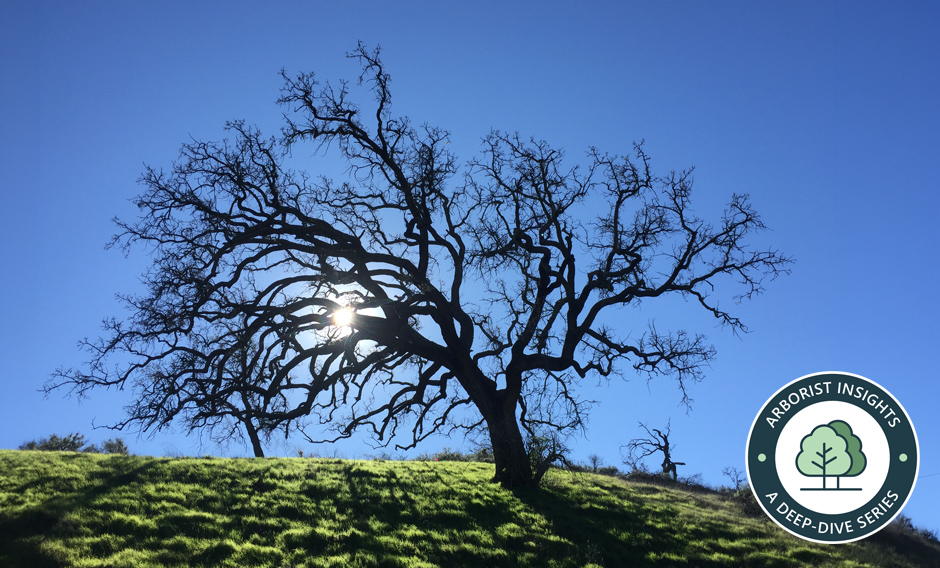
In 1982, Los Angeles County adopted the Oak Tree Permit (OTP) Ordinance, establishing one of California’s first comprehensive protected tree regulations and a model for municipalities across the state. Now, the Los Angeles County Planning Department is updating the OTP Ordinance to streamline permitting, improve mitigation standards, and encourage early project planning with the goals of minimizing impacts to protected oaks and expediting the permitting process. A draft updated ordinance is expected to be released for public review in 2026. As one of California's most influential protected tree frameworks, this update has implications well beyond Los Angeles County.

Read more

ClearPath 2.0 in Practice: Lessons from Elk Grove’s Climate Compass

How can communities move from static climate action plans to tools that actively support decision‑making, tracking, and public transparency? ICLEI USA, ClimateView, the City of Elk Grove, and Ascent are hosting a free webinar that takes a practical look at how ClearPath 2.0 is being used to bring Elk Grove’s Climate Compass to life. The City of Elk Grove is the first California jurisdiction to implement ClearPath 2.0 in support of a new climate action plan. This session draws directly from that implementation experience, including the choices made during setup, what required iteration, and how the platform was adapted to serve staff, decision-makers, and the public alike.

Read more

Streamlining Synopsis: Expedited Environmental Review Opportunities for Wildfire Safety Projects

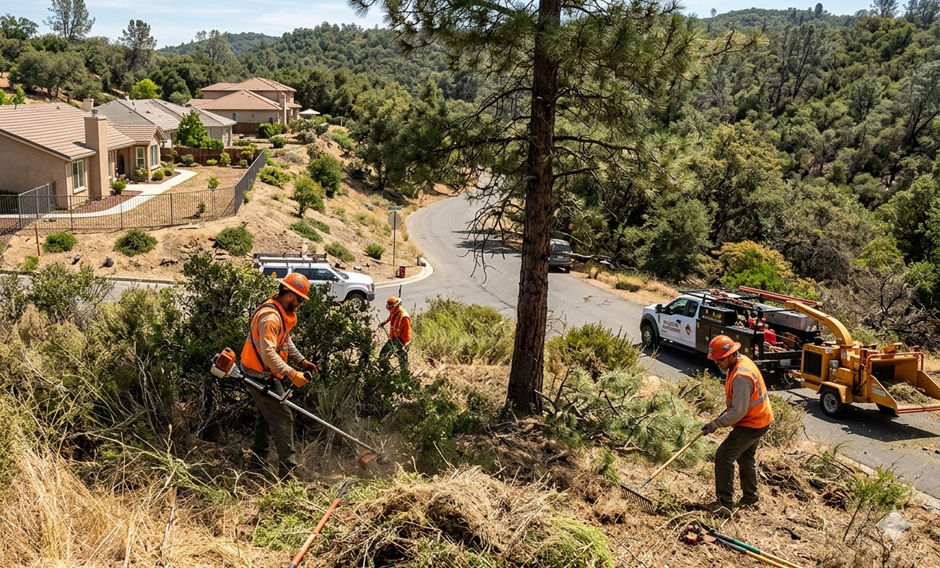
With two of the most destructive fires in California history occurring in January 2025, the state acted urgently to prioritize additional measures that would expedite the implementation of projects to reduce catastrophic wildfire risk. In enacting SB 131 (2025), the legislature established a new statutory CEQA exemption for four types of priority vegetation management projects that improve defensible space, increase community safety, and create strategic fuel breaks. In the March 2025 State of Emergency proclamation, Governor Newsom suspended state environmental statutes and regulations (including CEQA, CESA, and the Coastal Act) to speed up critical, near-term fuels reduction projects, and in December 2025 he extended the suspension window to May 1, 2026. New categorical exclusion procedures and emergency situation determinations at the federal level also expedite environmental review, particularly under NEPA.

Read more

Federal Compliance Deadlines for Accessible PDFs and Digital Documents Are Approaching

For people who rely on assistive technologies like screen readers, inaccessible government documents are more than an inconvenience. They can be a barrier to essential services. A federal rule under Americans with Disabilities Act (ADA) Title II is changing that, requiring state and local government websites, mobile apps, and online documents including PDFs to meet Web Content Accessibility Guidelines (WCAG) 2.1 Level AA standards. Compliance deadlines are approaching fast, with the first arriving April 24, 2027, for agencies serving populations of 50,000 or more. Read on to learn what’s required and how Ascent can help.

Read more

Western Joshua Tree Conservation Plan – Comprehensive Management Actions

The California Department of Fish and Wildlife prepared the Western Joshua Tree Conservation Plan to provide a set of management actions to conserve western Joshua trees in California. As a tool to conserve a species that is abundant now but is projected to lose future habitat due to climate change, the Conservation Plan was developed in collaboration with the California Fish and Game Commission, governmental agencies, California Native American Tribes, and the public. The Conservation Plan serves as a landmark commitment by CDFW to integrate co-management principles with the Tribes by incorporating Traditional Ecological Knowledge into species conservation and providing for the relocation of western Joshua trees to Tribal lands upon a request from a Tribe.

Read more

Governor Extends Environmental Law Suspension for Critical Wildfire Safety Projects

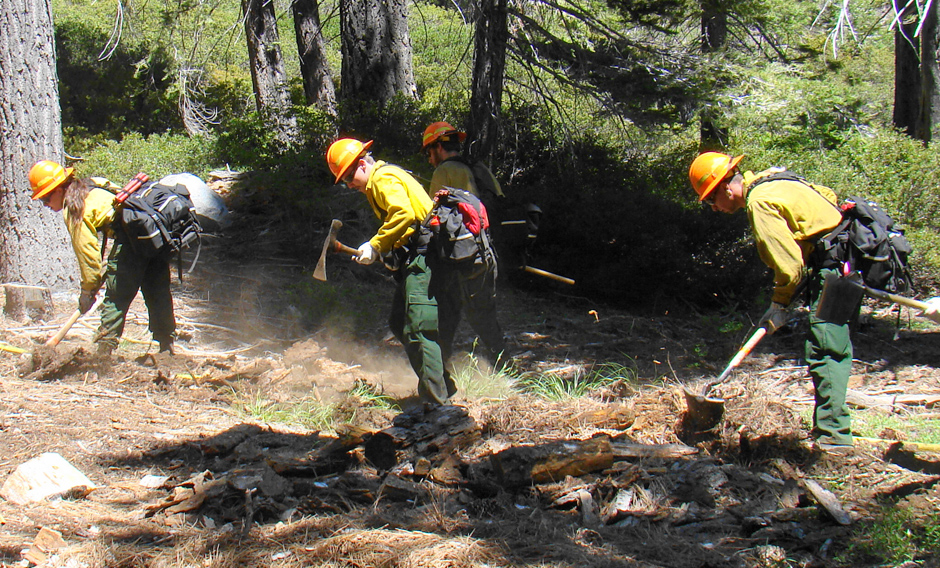
On December 31, 2025, Governor Newsom extended the deadline to submit applications under the State of Emergency Proclamation issued March 1, 2025, which fast-tracks critical fire fuels reduction projects . The Emergency Proclamation suspends numerous state environmental statutes and regulations for certain public safety projects that reduce catastrophic wildfire risk. Qualifying wildfire resilience projects that implement specified environmental protection measures are not subject to the California Environmental Quality Act (CEQA), the California Coastal Act, and other environmental permitting laws and regulations. The deadline for project applications has been extended to May 1, 2026.

Read more

CEQA Reform Webinar: Understanding What AB 130 and SB 131 Mean for Your Community

California’s 2024–25 budget trailer bills—AB 130 and SB 131—have introduced significant changes to CEQA, planning and zoning law, and building codes. What do these reforms mean for projects in your community? Ascent’s Erik de Kok, Chad Beckstrom, and Greta Brownlow joined Ali Pezeshkpour from the City of Santa Ana for an in-depth discussion on the practical implications of these legislative changes. The webinar takes a deep dive into the key provisions related to housing development and CEQA reform more broadly.

Read more

SB 131 Expedites Housing Projects That Almost Qualify for a CEQA Exemption

California’s SB 131 introduces a groundbreaking “near miss” provision for housing projects seeking to use an exemption for CEQA compliance. The innovation is this: If a proposed housing project qualifies for a CEQA exemption but for a single exemption criterion, CEQA review for the project may be limited to the environmental effects related to that single condition. Limiting the environmental analysis to one topic could slash approval time from years to months and significantly reduce costs, addressing California’s housing crisis while maintaining environmental protections where they matter most.

Read more

AB 130’s Game-Changer for CEQA Streamlining of Housing Development—The New Infill Exemption

AB 130 represents a significant step in furthering streamlining of housing development under CEQA, potentially the most significant CEQA revision in decades. This new legislation introduces a comprehensive infill housing statutory exemption that allows qualifying projects to bypass CEQA documentation entirely—no extensive environmental review, complex documentation, or lengthy approval processes. Unlike previous convoluted attempts at expediting housing project approvals, AB 130 provides a clean, broad exemption that applies statewide with no unit caps, minimal labor requirements, and no affordability mandates for most projects.

Read more

New CEQA Exemption for Parks and Trails Funded by Proposition 4

On June 30, 2025, Governor Newsom signed Senate Bill 131, one of the most substantial changes to the California Environmental Quality Act. Among the provisions of SB 131 is a new CEQA exemption intended to streamline the deployment of public park and nonmotorized recreational trail facilities funded by the Safe Drinking Water, Wildfire Prevention, Drought Preparedness, and Clean Air Bond Act of 2024 (i.e., Proposition 4). As part of our series on the effects of SB 131, we take a deep dive into this new statutory exemption for public parks and nonmotorized trails.

Read more
Back To Top