Skip to content

Governor Signs SB 1370 to Accelerate Eligible Wildfire Risk Reduction Projects

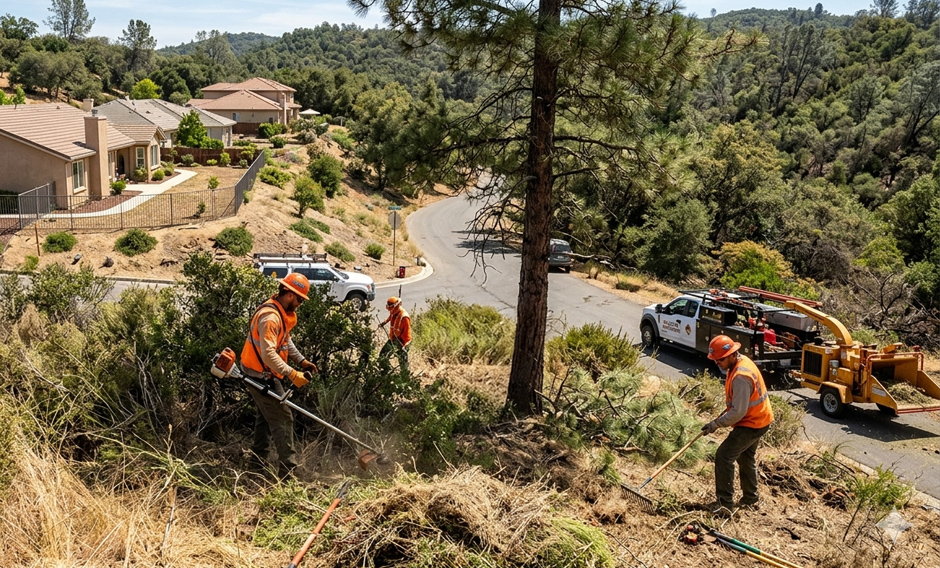
On September 29, 2026, Governor Newsom signed into law Senate Bill 1370 to among other things replace the temporary 2025 Emergency Proclamation streamlining process for critical wildfire risk reduction projects with an ongoing statutory program that will expedite an array of covered vegetation treatment projects. The statutory process includes procedural requirements, eligible project qualifications, compliance with the State Environmental Protection Plan, and an explicit exclusion of pesticide use (including herbicides). The full article summarizes key SB 1370 provisions important for all proponents, foresters, consultants, and lead agencies involved with vegetation treatment projects for wildfire risk reduction.
Read more

Emergency Projects: Navigating Regulatory Compliance

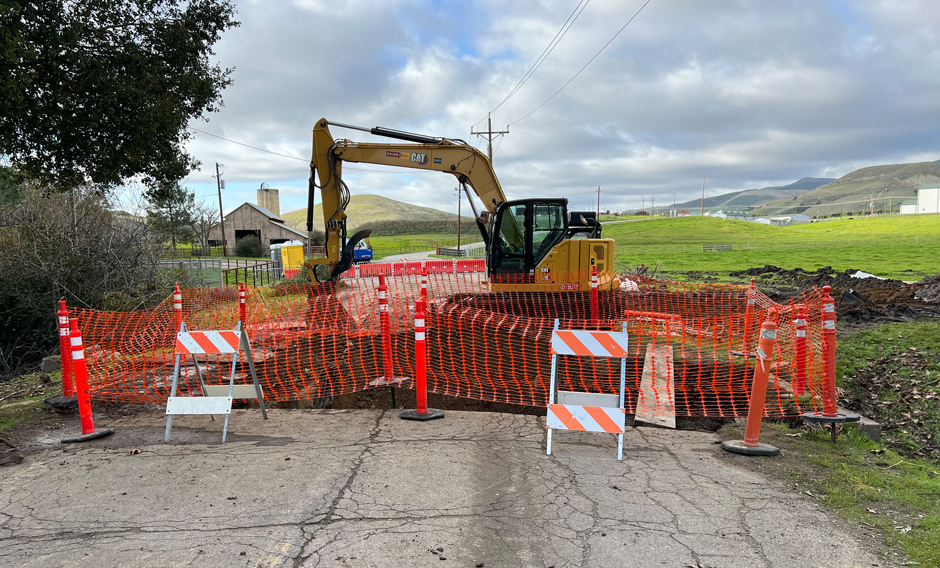
California's recent storm seasons show how quickly severe weather can threaten infrastructure, public safety, and natural resources. Looking ahead, the National Oceanic and Atmospheric Administration (NOAA) current forecast indicates a greater than 90 percent chance of a very strong El Niño this fall and winter. For infrastructure owners, managers, and other project proponents, that outlook underscores the value of assessing vulnerable assets now and understanding how emergency repairs could be authorized under accelerated regulatory pathways. Permit requirements do not disappear because of an emergency. Work may need to proceed quickly while still addressing any impacts on wetlands, waterways, special-status species, and other sensitive resources. Learn how to prepare regulatory and permitting strategies in advance, before an emergency makes them urgent.

Read more

Proposition 45 and the Future of CEQA: What the November Ballot Initiative Would Change 

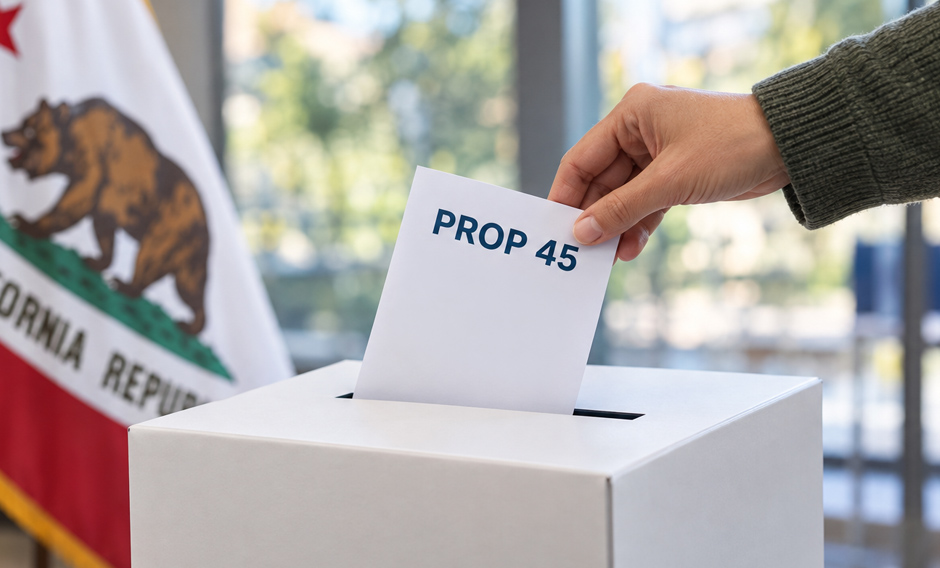
This November, California voters will decide on Proposition 45, a ballot initiative that would create a new, expedited CEQA compliance track for eight categories of “essential projects,” including housing, clean energy, water, and transportation. The initiative does not exempt these projects from CEQA. Instead, it introduces firm application and documentation timelines, a new tribal consultation framework, and substantial changes to how impact significance and legal challenges are evaluated. These changes touch nearly every stage of the CEQA process for essential projects, from vesting rights and comment period limits to a narrowed alternatives analysis for EIRs, with implications for public agencies and project applicants alike.

Read more

“Bee” Prepared: New CDFW Guidance for Candidate Bumble Bees 

Four bumble bee species are candidates for listing under the California Endangered Species Act and receive the same take protections as listed species during candidacy. New non-regulatory guidance from the California Department of Fish and Wildlife summarizes the species’ ecology and life histories, and provides recommendations for habitat assessment, surveys, impact avoidance and minimization at various stages of the life cycle, and best management practices for common project activities. When suitable habitat is present, project proponents should consider whether take authorization may be needed, even if candidate bumble bees are not detected during surveys. Early evaluation of habitat and potential impacts can help project proponents and land managers incorporate feasible avoidance measures into project designs and determine whether surveys and/or take authorization may be needed.

Read more

Putting SB 79 into Practice

Senate Bill 79, the Abundant and Affordable Homes Near Transit Act, took effect on July 1, 2026, marking another significant step in California's continued effort to increase housing opportunities near transit. SB 79 makes qualifying transit-oriented housing developments an allowed use on certain residential, mixed-use, and commercial sites near specified transit stops in urban transit counties. Although the law establishes a statewide framework, how each jurisdiction administers SB 79 will depend on local transit geography, zoning, development standards, site constraints, and housing capacity goals. In the full article, learn how cities are evaluating those factors and translating SB 79 into the maps, analysis, procedures, and local implementation approaches needed to administer the law.

Read more

Local Government Streamlining of Oak Tree Permits – Los Angeles County’s Approach

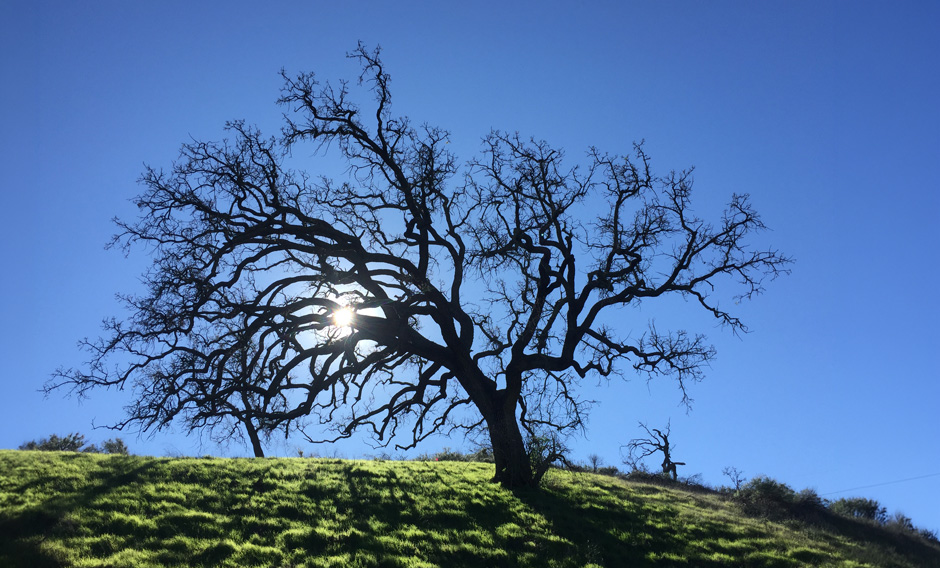
In 1982, Los Angeles County adopted the Oak Tree Permit (OTP) Ordinance, establishing one of California’s first comprehensive protected tree regulations and a model for municipalities across the state. Now, the Los Angeles County Planning Department is updating the OTP Ordinance to streamline permitting, improve mitigation standards, and encourage early project planning with the goals of minimizing impacts to protected oaks and expediting the permitting process. A draft updated ordinance is expected to be released for public review in 2026. As one of California's most influential protected tree frameworks, this update has implications well beyond Los Angeles County.

Read more

ClearPath 2.0 in Practice: Lessons from Elk Grove’s Climate Compass

How can communities move from static climate action plans to tools that actively support decision‑making, tracking, and public transparency? ICLEI USA, ClimateView, the City of Elk Grove, and Ascent are hosting a free webinar that takes a practical look at how ClearPath 2.0 is being used to bring Elk Grove’s Climate Compass to life. The City of Elk Grove is the first California jurisdiction to implement ClearPath 2.0 in support of a new climate action plan. This session draws directly from that implementation experience, including the choices made during setup, what required iteration, and how the platform was adapted to serve staff, decision-makers, and the public alike.

Read more

Streamlining Synopsis: Expedited Environmental Review Opportunities for Wildfire Safety Projects

With two of the most destructive fires in California history occurring in January 2025, the state acted urgently to prioritize additional measures that would expedite the implementation of projects to reduce catastrophic wildfire risk. In enacting SB 131 (2025), the legislature established a new statutory CEQA exemption for four types of priority vegetation management projects that improve defensible space, increase community safety, and create strategic fuel breaks. In the March 2025 State of Emergency proclamation, Governor Newsom suspended state environmental statutes and regulations (including CEQA, CESA, and the Coastal Act) to speed up critical, near-term fuels reduction projects, and in December 2025 he extended the suspension window to May 1, 2026. New categorical exclusion procedures and emergency situation determinations at the federal level also expedite environmental review, particularly under NEPA.

Read more

Federal Compliance Deadlines for Accessible PDFs and Digital Documents Are Approaching

For people who rely on assistive technologies like screen readers, inaccessible government documents are more than an inconvenience. They can be a barrier to essential services. A federal rule under Americans with Disabilities Act (ADA) Title II is changing that, requiring state and local government websites, mobile apps, and online documents including PDFs to meet Web Content Accessibility Guidelines (WCAG) 2.1 Level AA standards. Compliance deadlines are approaching fast, with the first arriving April 24, 2027, for agencies serving populations of 50,000 or more. Read on to learn what’s required and how Ascent can help.

Read more

Western Joshua Tree Conservation Plan – Comprehensive Management Actions

The California Department of Fish and Wildlife prepared the Western Joshua Tree Conservation Plan to provide a set of management actions to conserve western Joshua trees in California. As a tool to conserve a species that is abundant now but is projected to lose future habitat due to climate change, the Conservation Plan was developed in collaboration with the California Fish and Game Commission, governmental agencies, California Native American Tribes, and the public. The Conservation Plan serves as a landmark commitment by CDFW to integrate co-management principles with the Tribes by incorporating Traditional Ecological Knowledge into species conservation and providing for the relocation of western Joshua trees to Tribal lands upon a request from a Tribe.

Read more
Back To Top